
Cables for power, signal, sun and light
Five families, one supplier. Choose by use, then build a specification and send it to us as an enquiry.
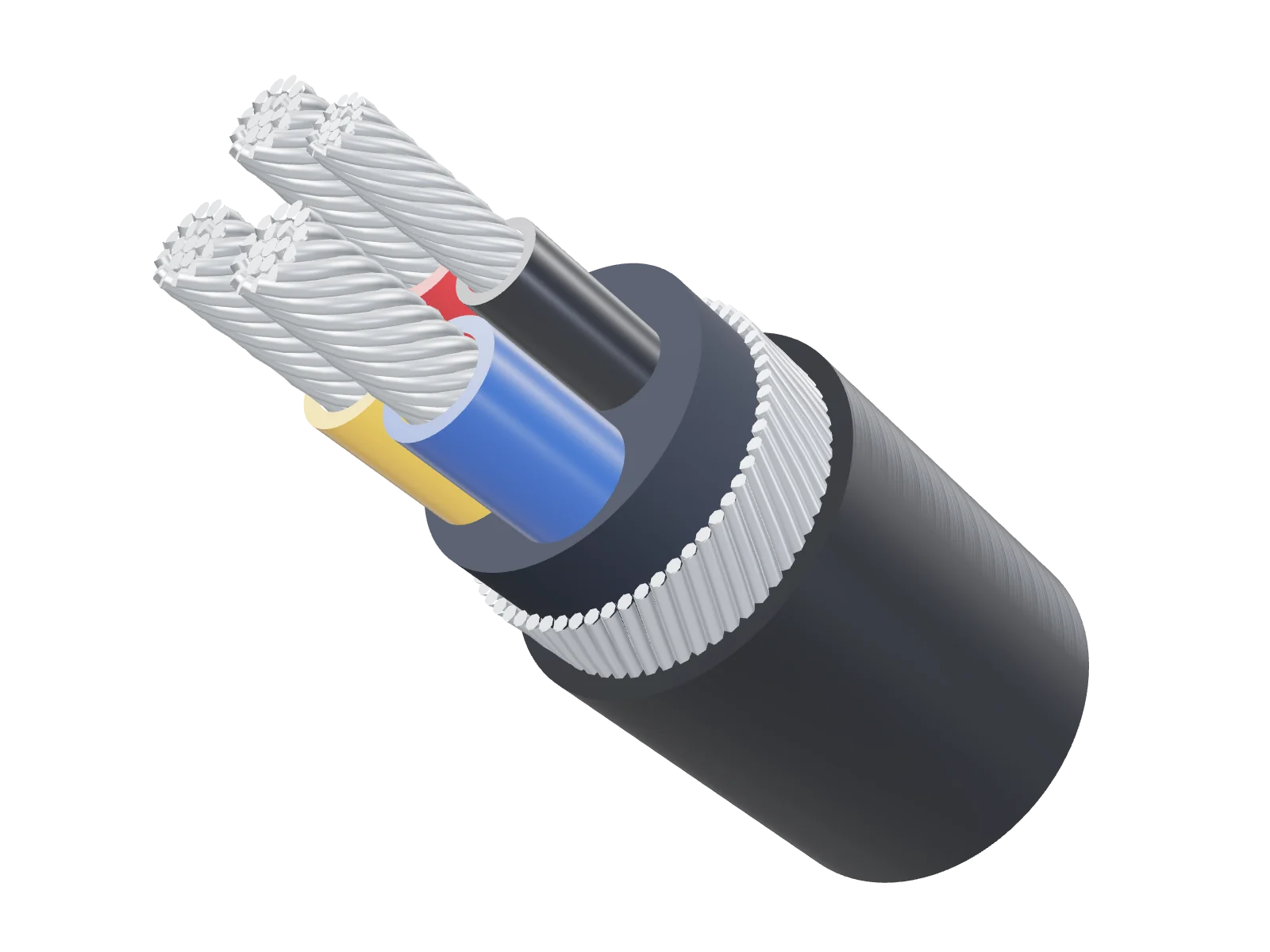
LT & HT power cables
The heavy lines: substation to switchboard to machine.
Low tension cable feeds motors, machines and buildings. High tension cable moves power between substations, transformers and plants. Voltage grade, conductor and armour decide what you lose on the way and how long the cable lives.
Where it is used
- Plant and factory power distribution
- Substation, transformer and feeder connections
- Building mains and sub-mains
- Utility and infrastructure networks
What we need to quote
- Voltage grade
- Conductor: copper or aluminium
- Cores and cross-section (sq mm)
- Insulation: PVC or XLPE
- Armoured or unarmoured
- Total length and drum lengths
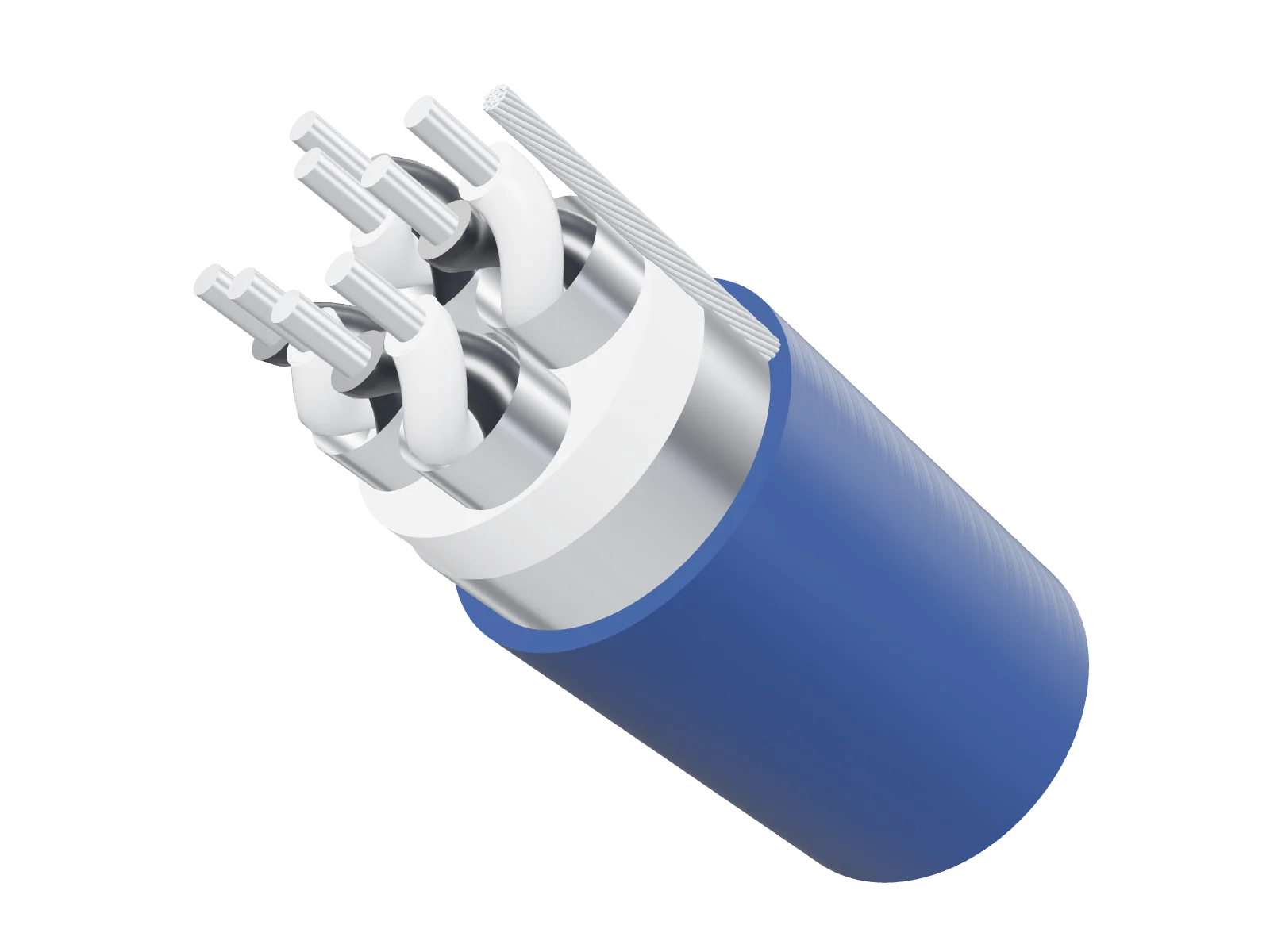
Instrument & control cables
Small signals. No room for noise.
A plant runs on low-level signals from sensors, transmitters, PLCs and DCS systems. Twisted pairs and screening keep those signals clean, so how the cable is built matters as much as its size.
Where it is used
- Process instrumentation and field devices
- PLC, DCS and control panel wiring
- Industrial automation and communication
- Fire, safety and monitoring systems
What we need to quote
- Pairs, triads or cores
- Conductor size
- Individual and/or overall screening
- Armoured or unarmoured
- Sheath, e.g. flame retardant
- Project specification or standard
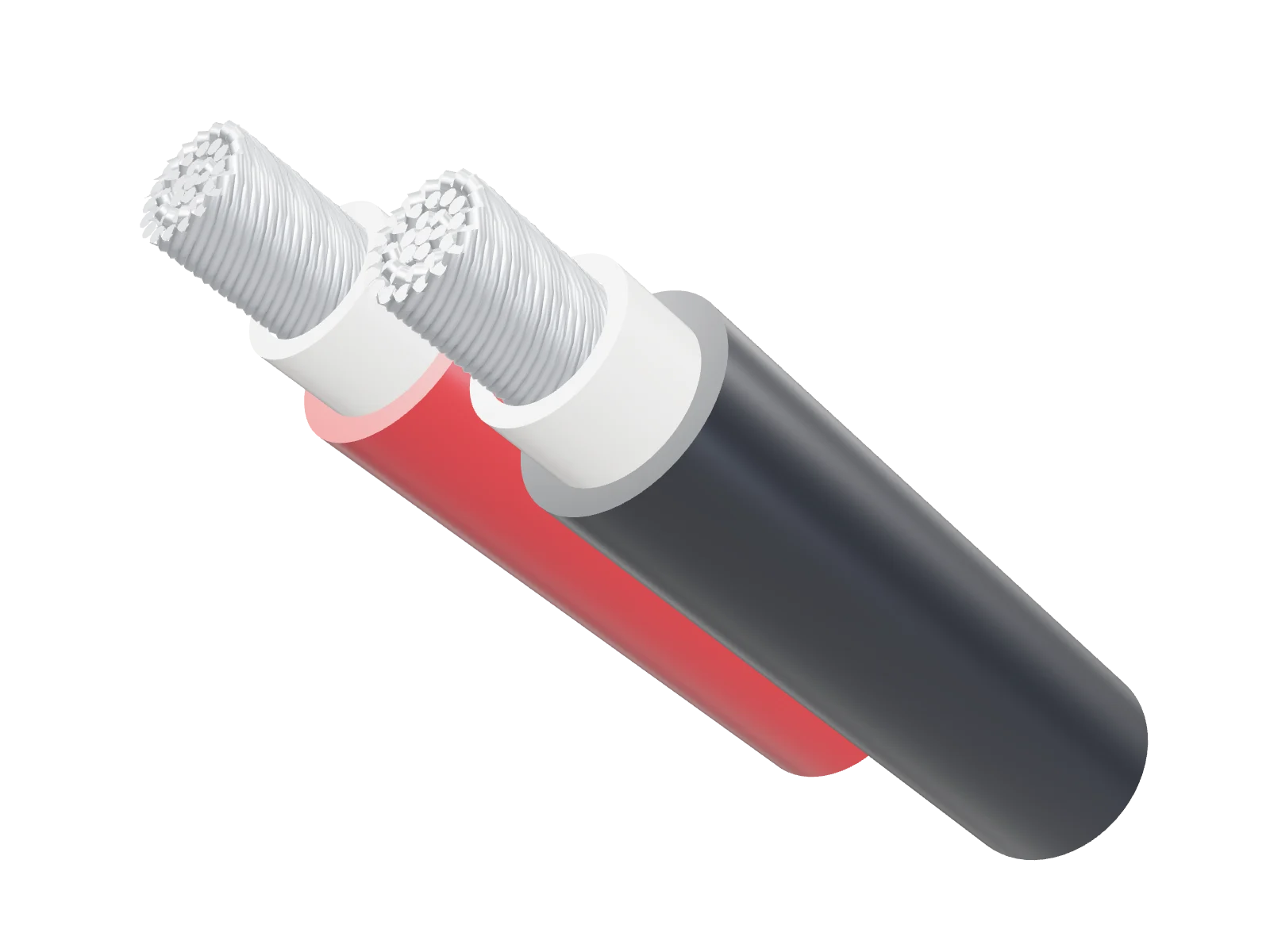
Solar DC cables
Built to sit in the sun and carry DC.
Solar cable joins modules, strings, combiner boxes and inverters, and spends its life outdoors. Ordinary cable degrades fast in that heat and light. Solar cable is made for it.
Where it is used
- Module and string interconnection
- String to combiner and inverter DC runs
- Rooftop installations
- Ground-mounted solar plants
What we need to quote
- Cross-section (sq mm)
- Single core, red or black
- Length and drum or coil size
- Project standard or approval
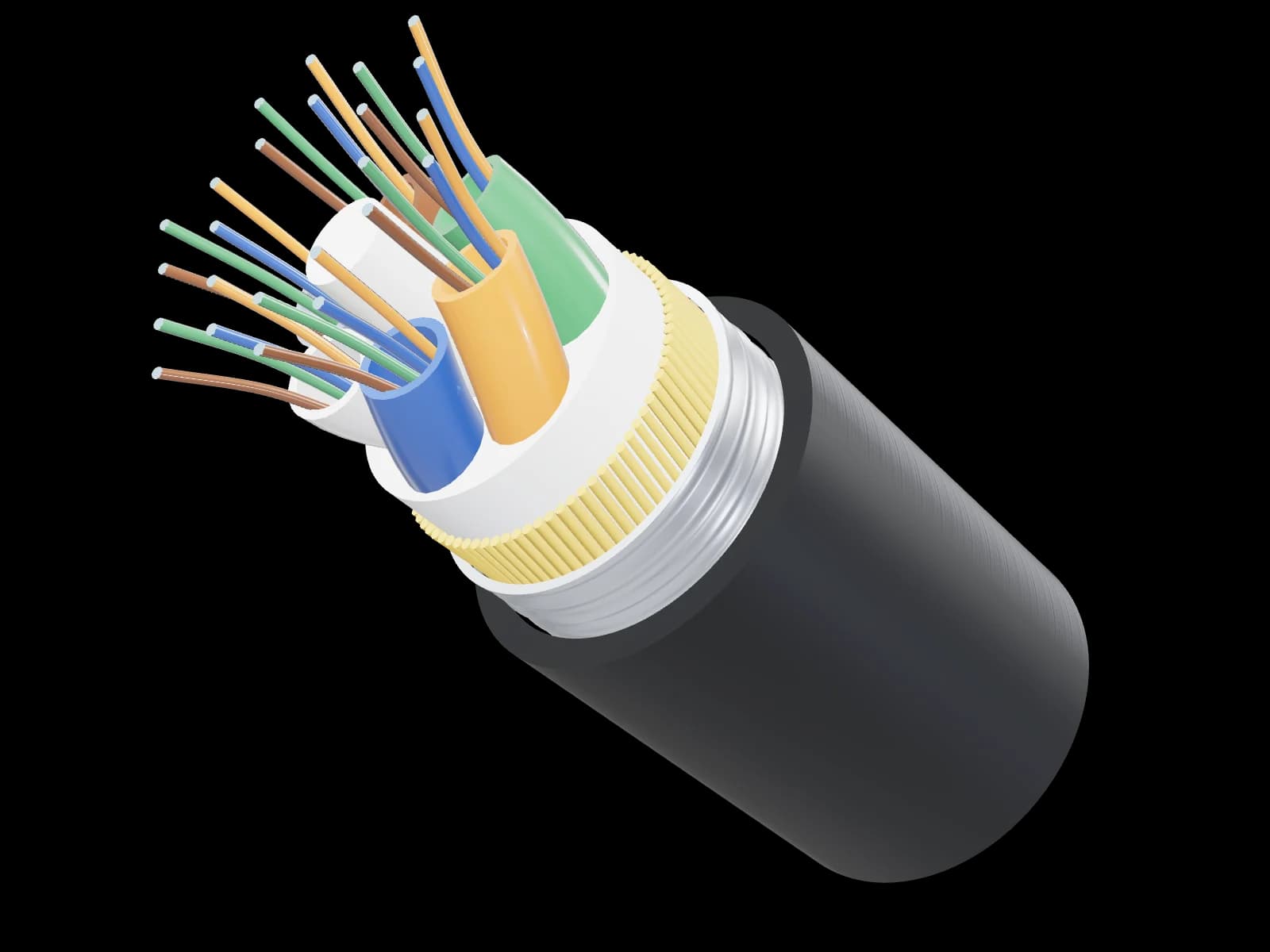
Fibre optic cables
Data, carried as light.
Fibre moves data over long distances at very high bandwidth, immune to electrical noise. It links campuses, plants, towers and networks: the communication layer modern infrastructure sits on.
Where it is used
- Telecom backbone and access networks
- Campus, plant and enterprise networks
- CCTV, surveillance and traffic systems
- Data links between buildings
What we need to quote
- Fibre count
- Single-mode or multi-mode
- Armoured or unarmoured
- Indoor or outdoor
- Duct, aerial or direct burial
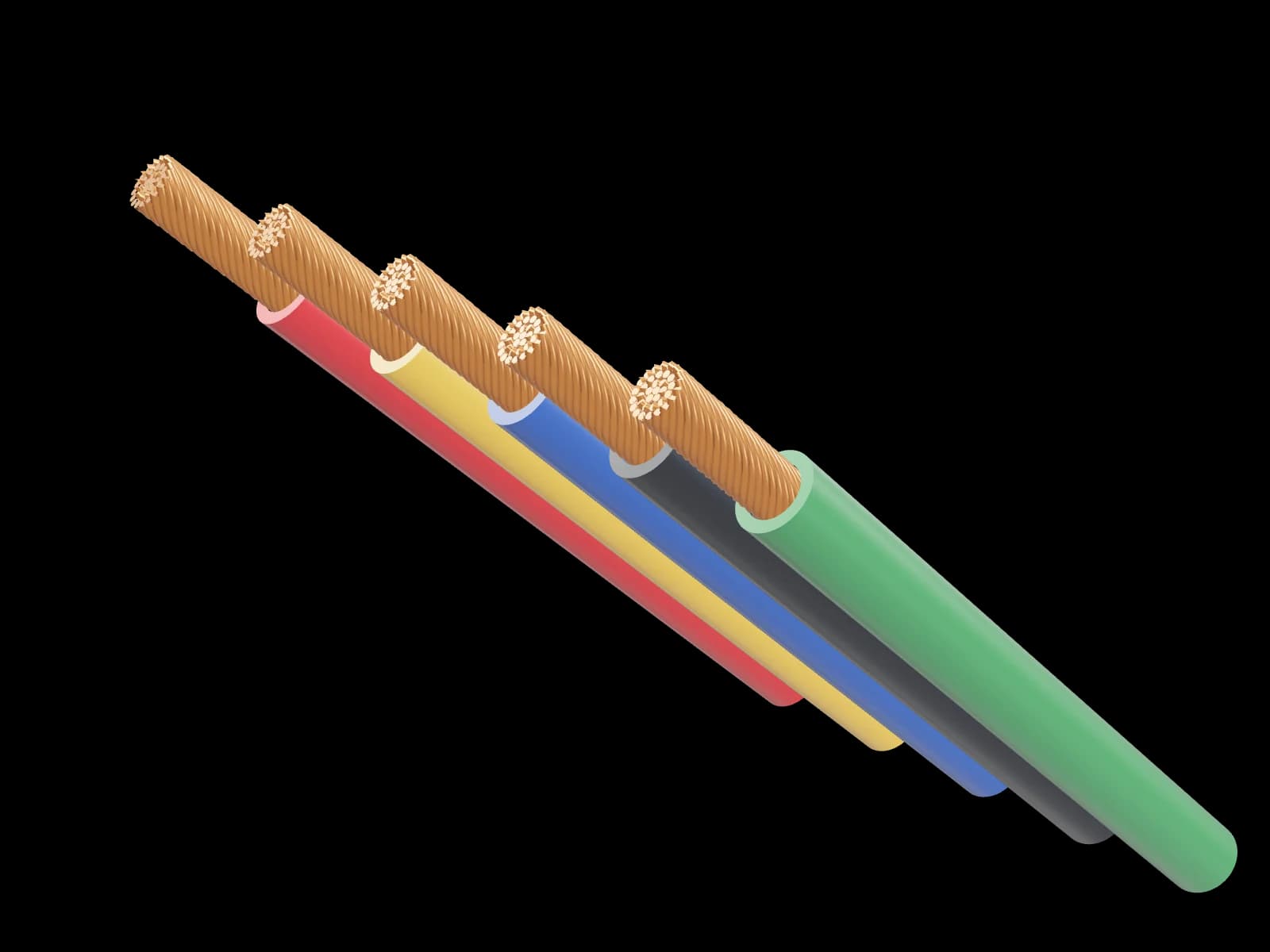
House wiring cables
The wire behind every switch and socket.
Flexible multi-strand copper wiring is the everyday workhorse for homes, offices and shops: easy to pull, simple to terminate, colour-coded for safe installation.
Where it is used
- Residential wiring
- Commercial interiors and fit-outs
- Distribution boards and final circuits
- Renovation and rewiring
What we need to quote
- Size (sq mm)
- Colours required
- Coil length and quantity
- Flame-retardant grade, if required
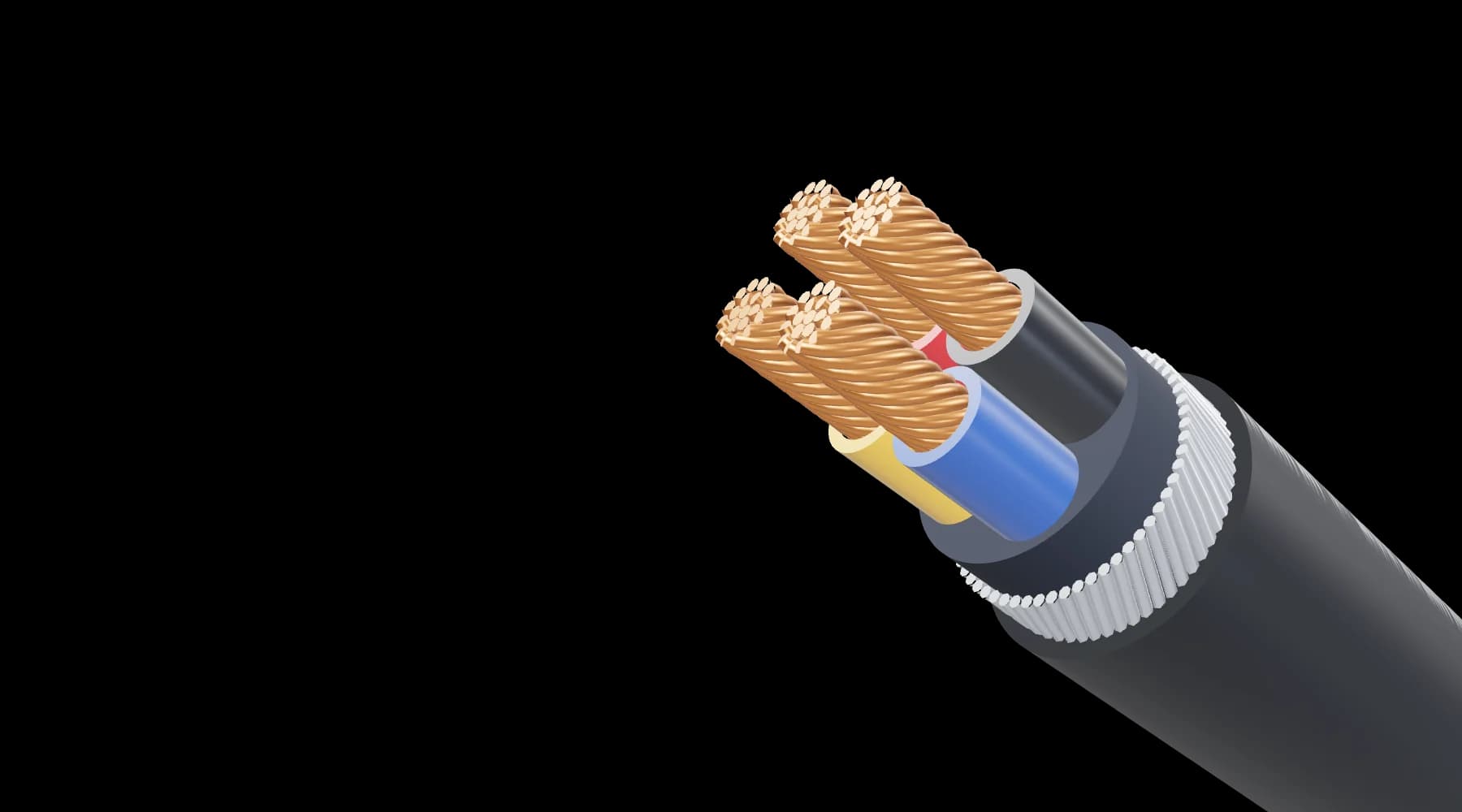
Read a cable layer by layer
Conductor
The metal that carries the current: copper or aluminium, made of many strands so the cable stays flexible.
Every layer is a question we ask when you send a specification. Get the layers right and the cable fits the job.
Build the cable you need
Each choice is a layer of the cross-section. Pick the family, set the layers, and send us the specification as an enquiry.
Your specification
- Cable
- LT & HT power cables
- Voltage grade
- 1.1 kV (LT)
- Conductor
- Copper
- Cores
- 3
- Cross-section (sq mm)
- 25
- Insulation
- PVC
- Armour
- Armoured
- Length
- To be confirmed
What we need to quote this cable: Voltage grade, Conductor: copper or aluminium, Cores and cross-section (sq mm), Insulation: PVC or XLPE, Armoured or unarmoured, Total length and drum lengths.